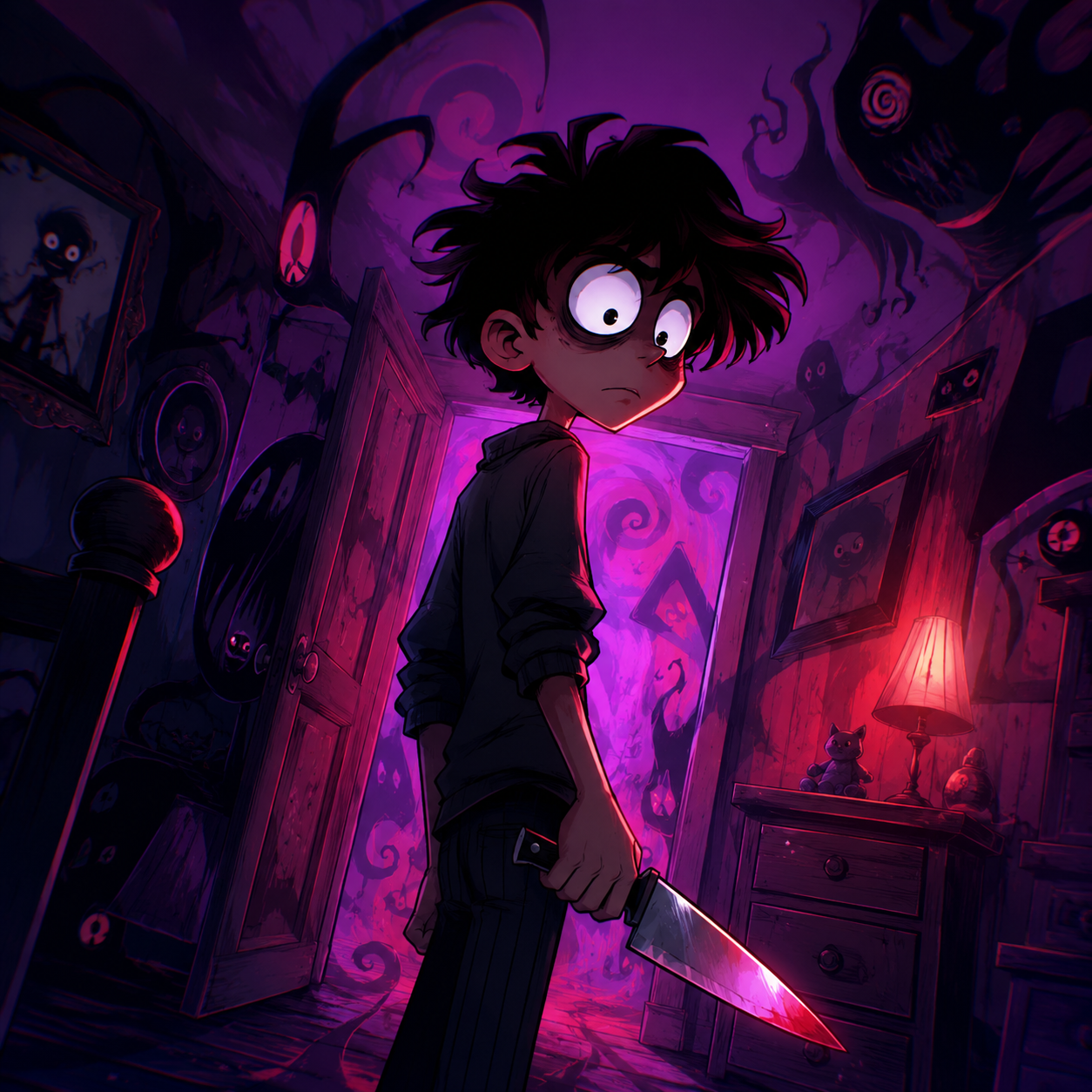
If you woke up unsettled by a dream of killing someone, start here: this is a common dream, and it does not predict real-world violence or reveal any hidden intent to hurt another person.
Sleep researchers treat it the same way they treat dreams of falling or being chased — a symbolic stand-in for conflict, suppressed anger, or a need to regain control, not a rehearsal of anything you would actually do while awake.
With that out of the way, here is what Malaysian players typically look for next: the 4D number tied to this dream, organised by who was involved, plus a calm look at why the mind produces this image in the first place. The dream dictionary covers other conflict-themed symbols the same way.
The 4D Number for a Dream of Killing Someone
The table below groups the number by who the figure in the dream was, since that detail shapes the reading more than the act itself. This is a cultural shorthand passed between players, not a formula.
| Who Was Involved | What It Points To | Number Associated |
|---|---|---|
| A stranger or faceless figure | An unnamed pressure or fear you haven't fully identified yet | 03, 30, 13 |
| Someone you know | Suppressed frustration with their role in your life, not the person | 07, 70, 27 |
| An unclear or symbolic figure | An old habit or self-image you're ready to leave behind | 09, 90, 19 |
| Relief after the dream | A sense that something is finally coming to a close | 04, 40, 24 |
| Guilt or unease after the dream | Tension that needs an honest conversation, not avoidance | 08, 80, 18 |
For entertainment and cultural reference only. These pairings are a long-running cultural shorthand passed down through local gambling culture, not an official chart, and nobody can guarantee a draw. MY4D LIVE does not sell lottery tickets or endorse any particular number selection method.
When the Dream Involves a Stranger
A faceless or unfamiliar figure is the most common version of this dream, and it is usually the least personal. Dream psychology reads this as the mind representing an anxiety or pressure that hasn't been named yet — something building in the background of your waking life that you haven't sat down to examine directly.
Because the figure has no identity, the dream isn't pointing at a specific relationship. It's pointing at a feeling: something unresolved, diffuse, and still taking shape. A dream of killing someone you don't recognise often fades once the underlying worry gets identified and addressed.
If you'd rather run a structured pick against these numbers than choose by gut feeling, the lucky number generator can do that for you.
When the Dream Involves Someone You Know
This version tends to feel heavier on waking, simply because the face is familiar. It almost never reflects a genuine wish for harm. Far more often, it reflects frustration with the role that person occupies in your life — a dynamic, an obligation, or a pattern of behaviour you associate with them, rather than the individual themselves.
Seen this way, the dream is the mind processing something uncomfortable in private rather than letting it build up unspoken. If the same person keeps appearing in dreams like this, it's often worth naming what specifically about the relationship feels unresolved.
When the Figure Is Unclear or Symbolic
Sometimes the person in the dream doesn't resolve into anyone at all — a shifting presence, a composite face, or someone who felt like themselves and also like someone else. This ambiguity is its own signal. It usually points inward, toward a part of yourself, a habit, or an old identity you're in the process of outgrowing rather than toward any other person.
Dreams like this often appear around genuine life transitions — leaving a job, ending a routine, or closing out a chapter that has already run its course emotionally, even if it hasn't ended on paper yet. If the dream also involved not being able to get away, dream about being chased covers that overlapping pressure separately.
Why This Dream Happens
Across dream research, this is one of the better-documented dream themes precisely because it alarms people enough to report it. The consistent finding is that it functions as shorthand for finality — the mind's way of representing an ending that feels too big or too permanent to picture literally.
It tends to surface during stress, suppressed conflict, or a decision that's been delayed for longer than feels comfortable. None of that makes the dream predictive of behaviour; it makes it a fairly ordinary piece of how people process pressure during sleep.
Clinicians who study recurring dream themes note that the content of a dream and the character of the dreamer are not linked — people with no history of aggression report this dream at roughly the same rate as anyone else.
What varies is simply how much unresolved tension they happen to be carrying at the time, which is also why the dream tends to ease off once that tension is addressed directly rather than left to sit.
A Word Before You Play the Number
4D is a game of chance, and no dream changes the odds of any individual draw. If you do play a dream of killing someone number, keep the stake small and treat it as it's meant to be treated: a bit of fun layered on top of an ordinary coping dream.
Check today's 4D results after the next Wednesday, Saturday or Sunday draw to see how your numbers landed.
Whichever number you land on, it's meant to be a small, fun addition to a draw you'd be checking anyway.
← Back to Guides